
Introduction
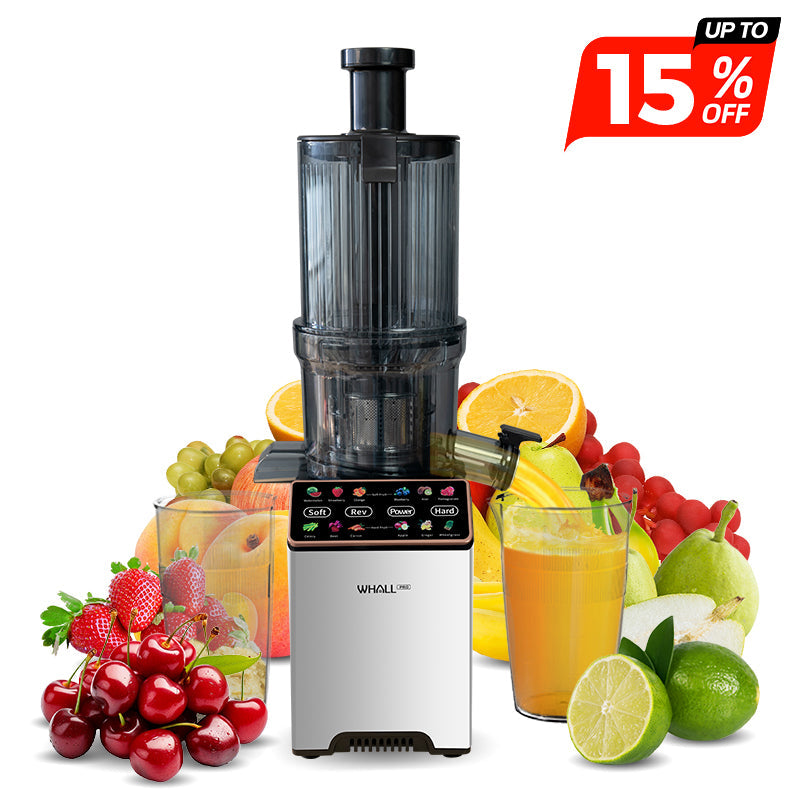
A masticating juicer, also called a cold press juicer, is a popular kitchen appliance for anyone who wants fresh, nutrient-rich juice. Unlike traditional centrifugal juicers that use high-speed spinning blades, a masticating juicer slowly crushes and presses fruits and vegetables, preserving more vitamins, minerals, and enzymes.
In this guide, we’ll explain how a masticating juicer works, its benefits, and tips for getting the most out of your cold press juicer.
How a Masticating Juicer Works
-
Slow Crushing (Masticating Action)
-
The juicer uses a single auger (a screw-like mechanism) to crush produce slowly.
-
This gentle process reduces heat and oxidation, keeping juice nutrient-rich and flavorful.
-
-
Juice Extraction
-
The crushed produce is pressed against a fine mesh screen, separating juice from pulp.
-
The result is smooth, low-foam juice that’s easy to drink and store.
-
-
Minimal Oxidation
-
Because the juicing process is slow, there is less air exposure.
-
This helps preserve enzymes, antioxidants, and vitamins, allowing juice to last longer (24–72 hours in the fridge).
-
Benefits of a Masticating Juicer
-
Higher Nutrient Retention: Keeps vitamins, minerals, and enzymes intact.
-
Better Juice Yield: Extracts more juice from fruits and vegetables than centrifugal juicers.
-
Versatility: Can juice leafy greens, wheatgrass, and even make nut milk.
-
Smooth Texture: Produces pulp-free juice, ideal for green and fibrous vegetables.
-
Quiet Operation: Slower rotation makes it quieter than high-speed juicers.
Tips for Using a Masticating Juicer
-
Prepare Ingredients Properly: Wash, peel, and chop fruits and vegetables into smaller pieces.
-
Mix Hard and Soft Produce: Alternate hard veggies like carrots with soft fruits like apples for better juice flow.
-
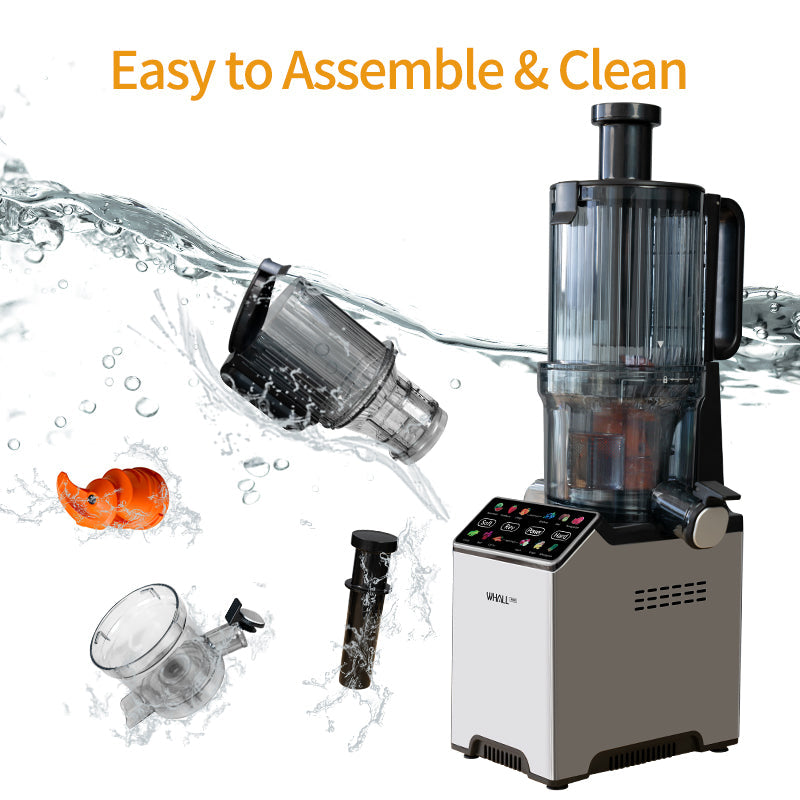
Clean After Each Use: Prevents residue buildup and maintains juicer efficiency.
-
Store Juice Correctly: Use airtight bottles in the fridge to maintain freshness.
Masticating vs Centrifugal Juicers
-
Masticating Juicer: Slow, nutrient-rich, better for leafy greens and long-term storage.
-
Centrifugal Juicer: Fast, good for hard fruits, but produces more foam and less nutrient retention.
For health-conscious users and green juice lovers, a masticating juicer is usually the preferred choice.
Conclusion
A masticating juicer is the ideal appliance for making healthy, nutrient-rich juice at home. Its slow, cold press extraction method preserves vitamins, enzymes, and flavor while producing smooth juice that lasts longer. Whether you’re juicing fruits, vegetables, or nuts, understanding how a masticating juicer works can help you get the most from this versatile kitchen tool.

Leave a comment
This site is protected by hCaptcha and the hCaptcha Privacy Policy and Terms of Service apply.